Solo 5E Adventures · In Development
Our AI Dungeon Master never forgets.
Play Solo 5e adventures any time you want. No fake dice rolls. Your actions have tracked consequences.
Play Solo 5e adventures any time you want. No fake dice rolls. Your actions have tracked consequences.
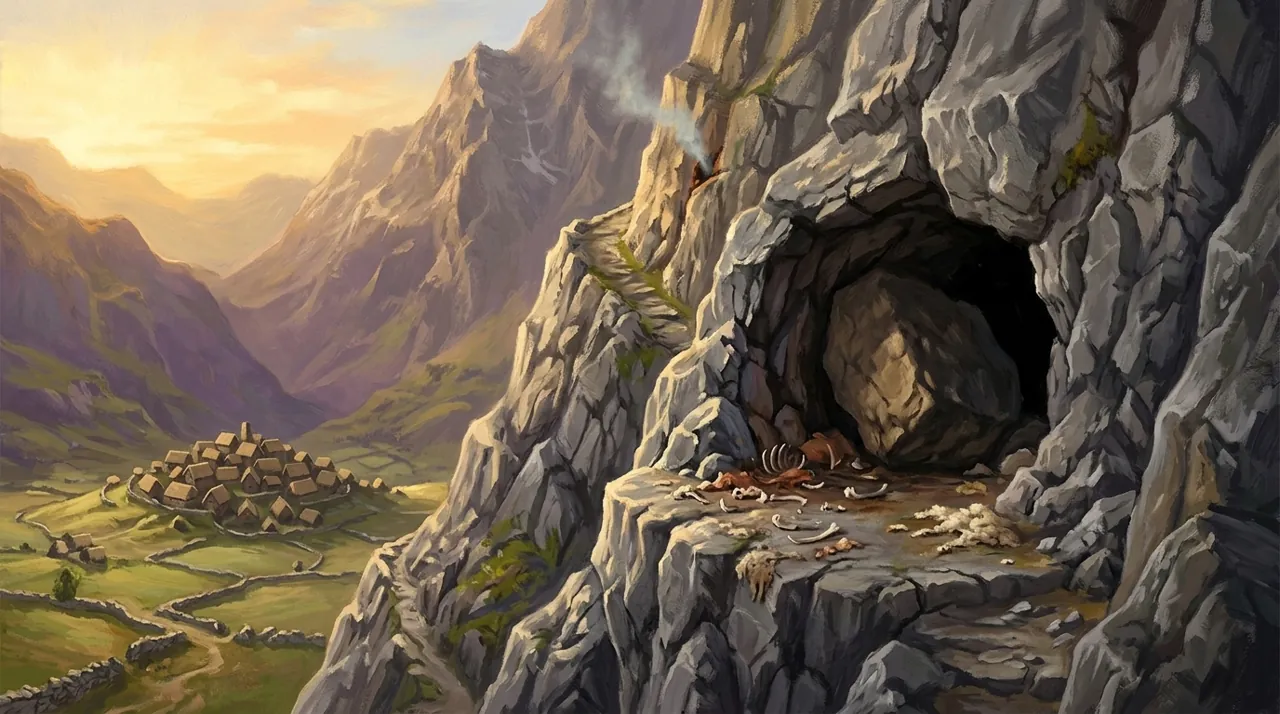
Ask about a hunt from a hundred sessions back. The game remembers it like it was there, because it was.

you » I take out the bog-drake talon I keep and think back on that hunt.
NarratorCinderbarn Cell. You can still see the bog-drake's eye catching torchlight before it went for you, the mud sucking at your boots while you circled it, the moment the longsword finally found something soft enough to matter. That was a fight with an ending. A thing died, and you had proof of it riding in your pack ever since, and the proof has outlasted every reason you might once have had for carrying it.
One player line, one answer, pulled from a campaign two thousand turns deep. Nothing above was scripted.
Every roll is real, and failure is on the table. The story takes the hit and keeps going. No quiet do-overs, no nudging you to victory.
Spare a bandit, burn a letter, break a promise, and the world answers, and keeps answering long after you've moved on.
In-world months roll by. Factions move, prices shift, threats grow into legends. Nothing snaps back for your convenience.
A growing catalog of ready-to-play worlds, sorted by the evening you've got, and when none of them is the story in your head, the forge builds one that is.
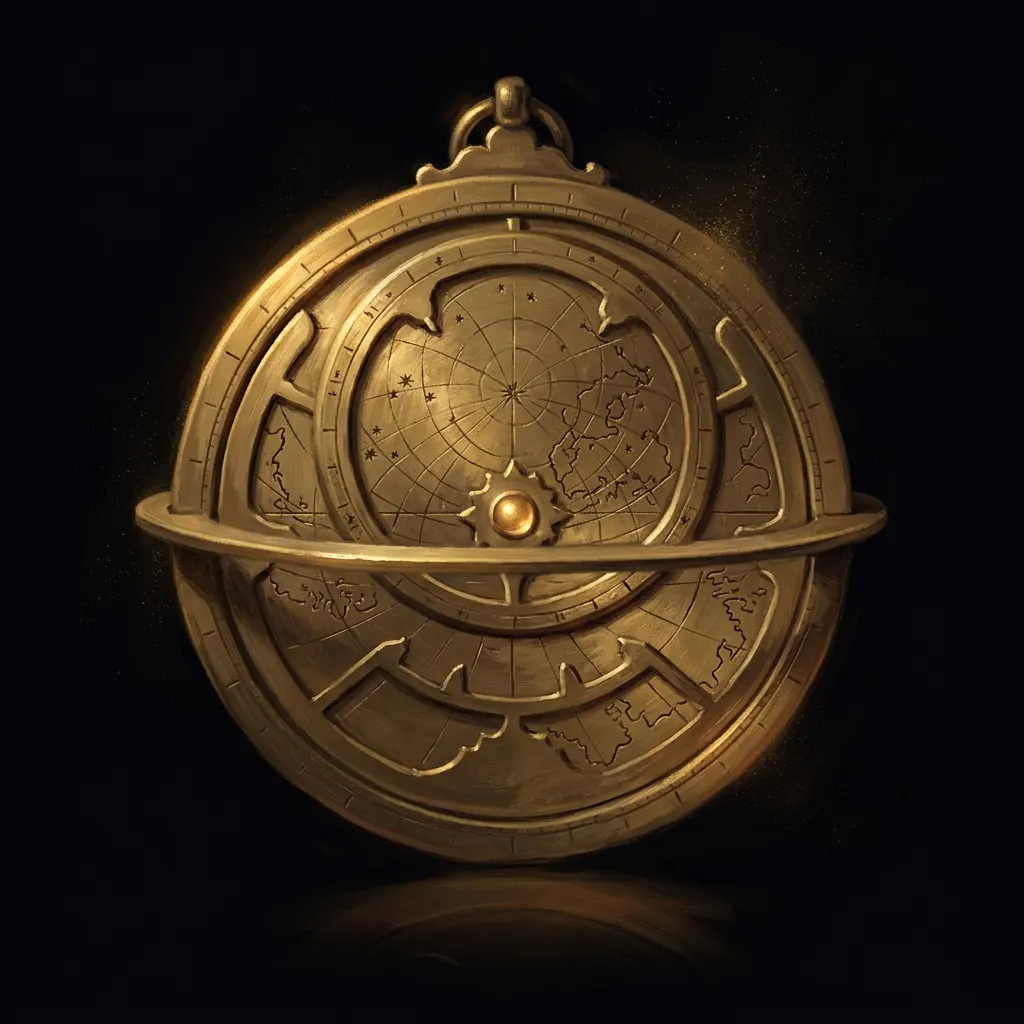
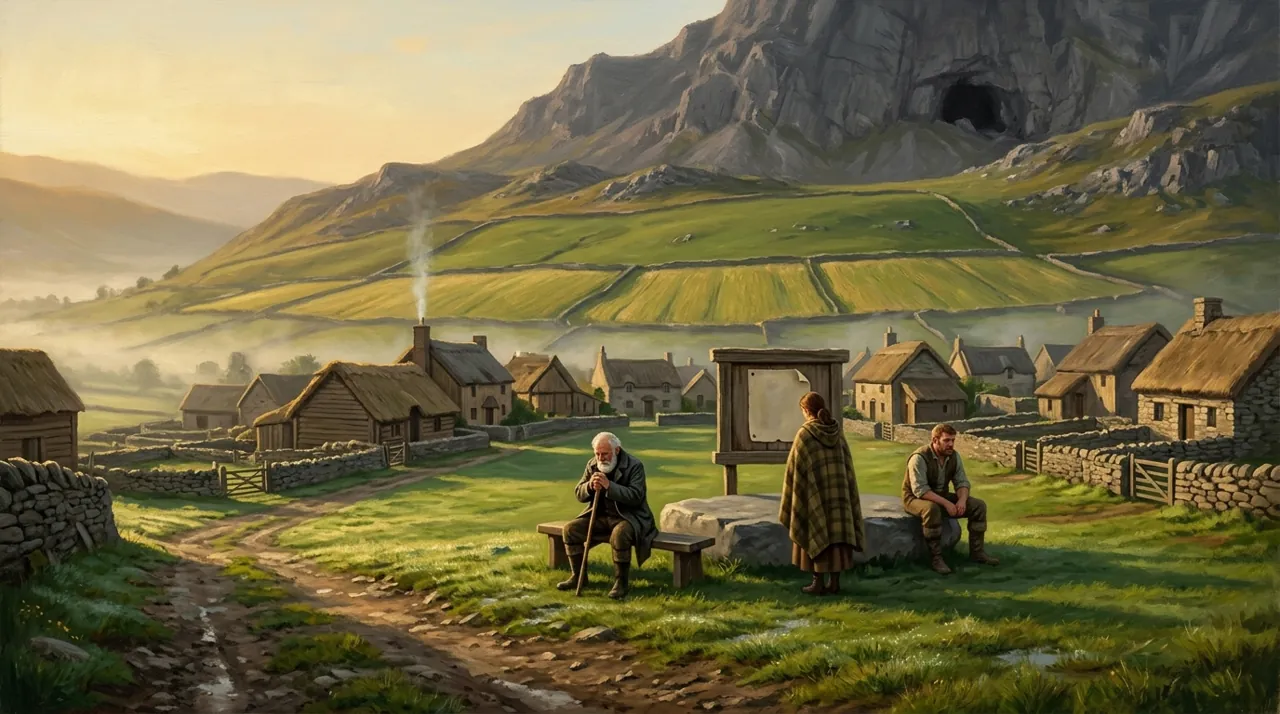
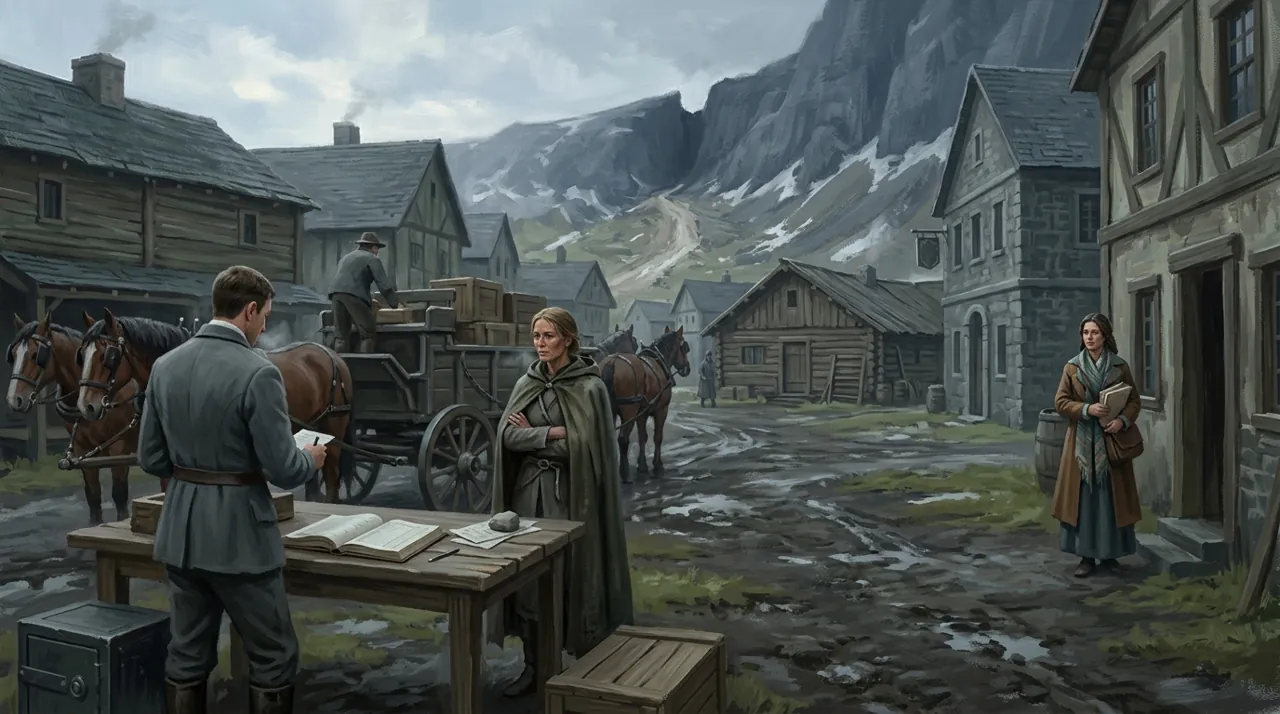
Give it a premise. A drowned coast, a frontier kingdom, a mining town with a secret, and the engine raises the whole world around it: the map, the towns, the factions, the grudges, the trouble already brewing. No prep, no worldbuilding homework. You're the first one through the gate.
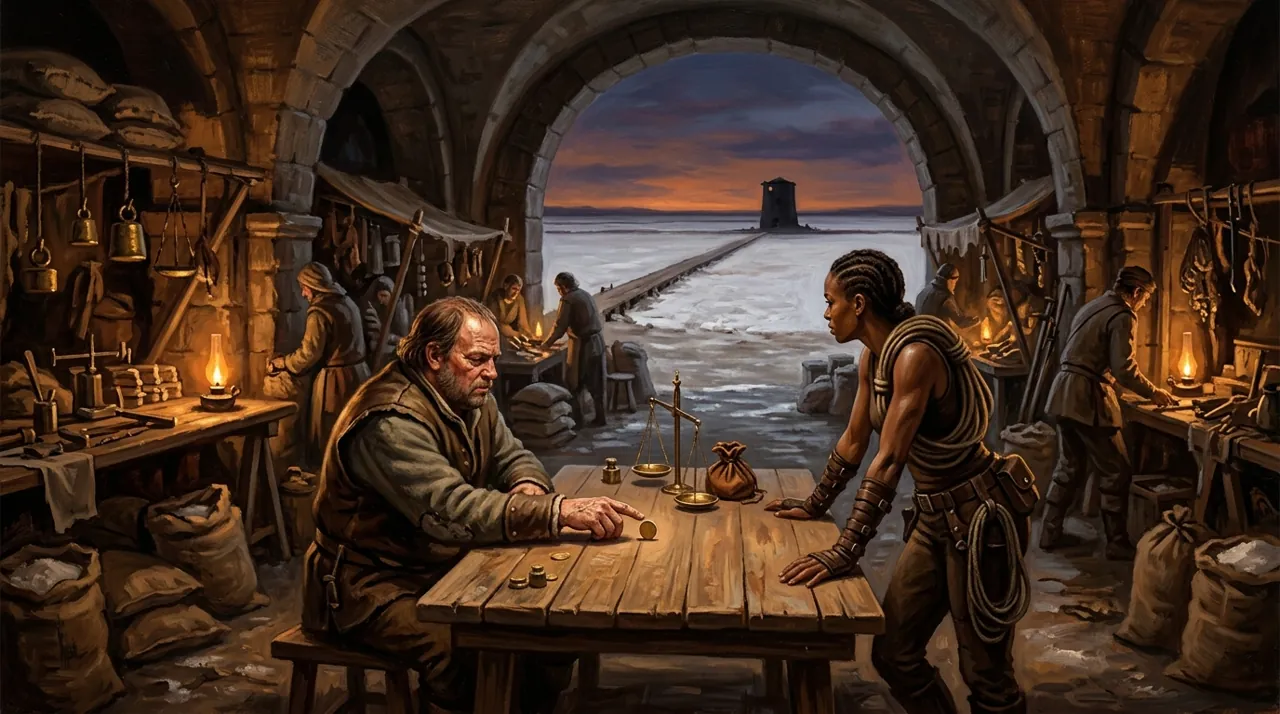
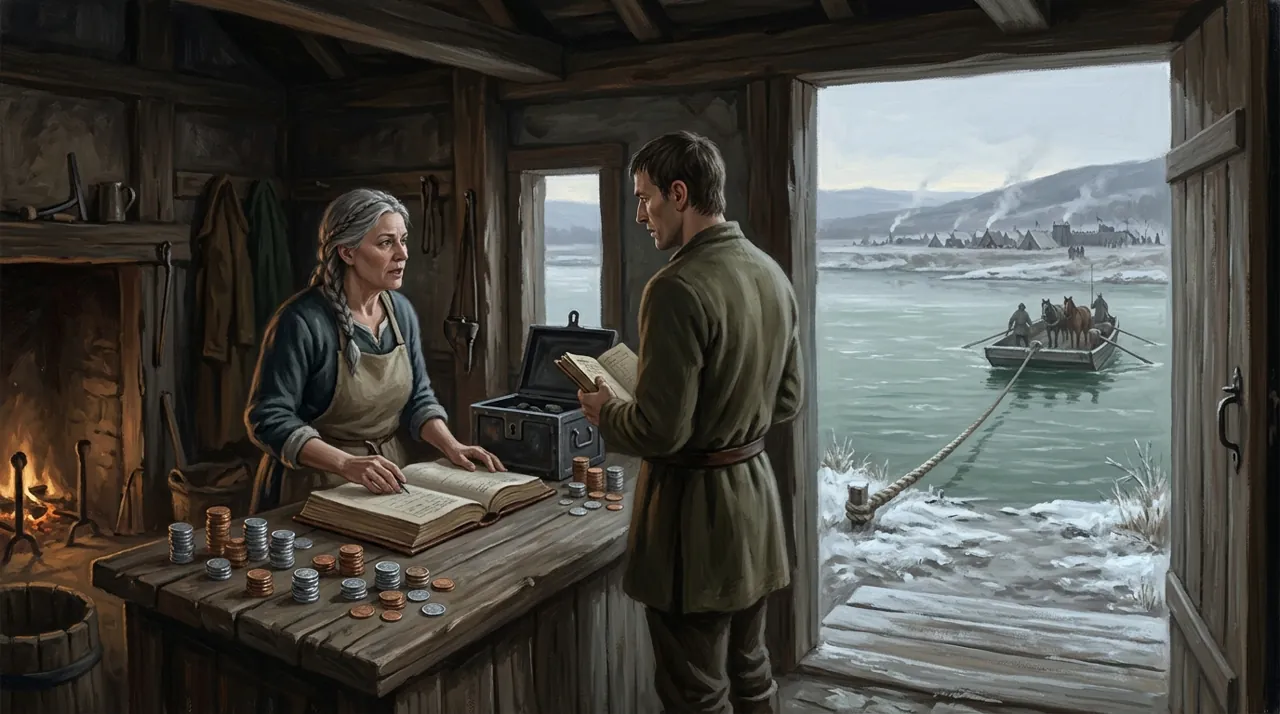
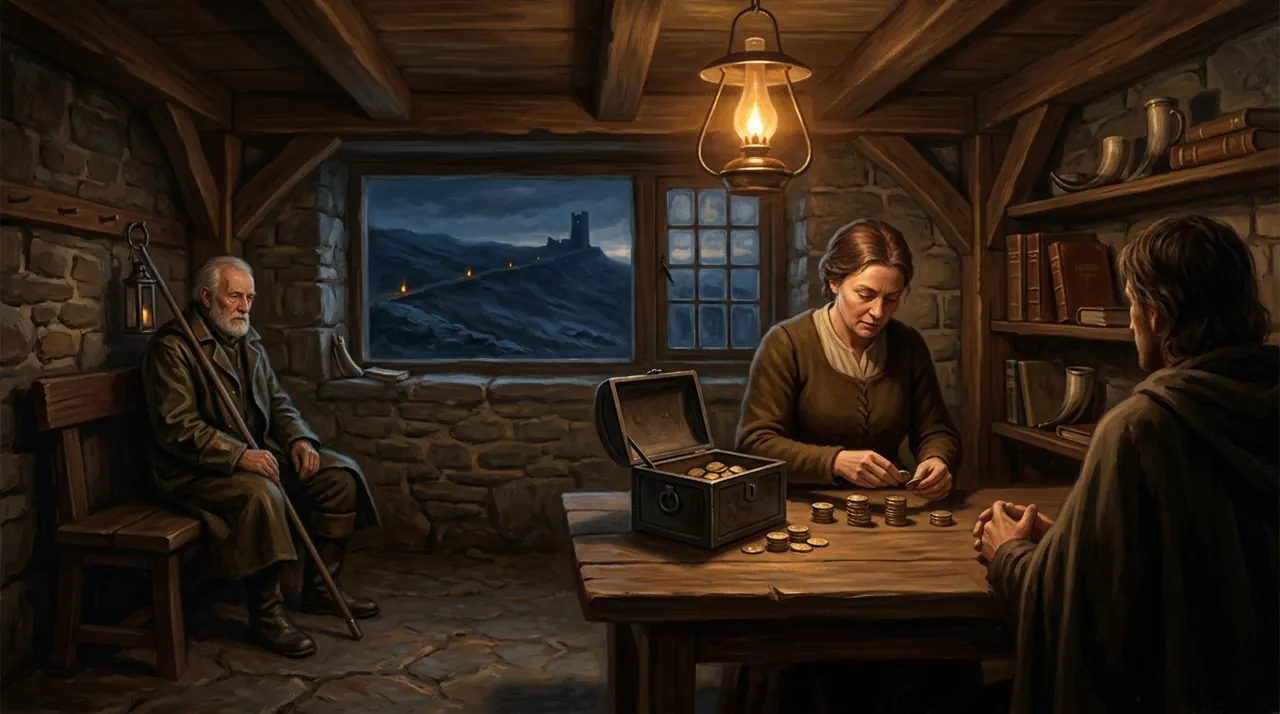
The game already runs deep. Characters grow from level 1 to 20 across all twelve classes, coin and contracts are counted to the copper, and worlds keep living while you're away. Every campaign in the catalog was played before it earned its place, and the faults that turned up were fixed before you could meet them. Next, it's your turn. Sign up and you'll hear the day the gate opens.
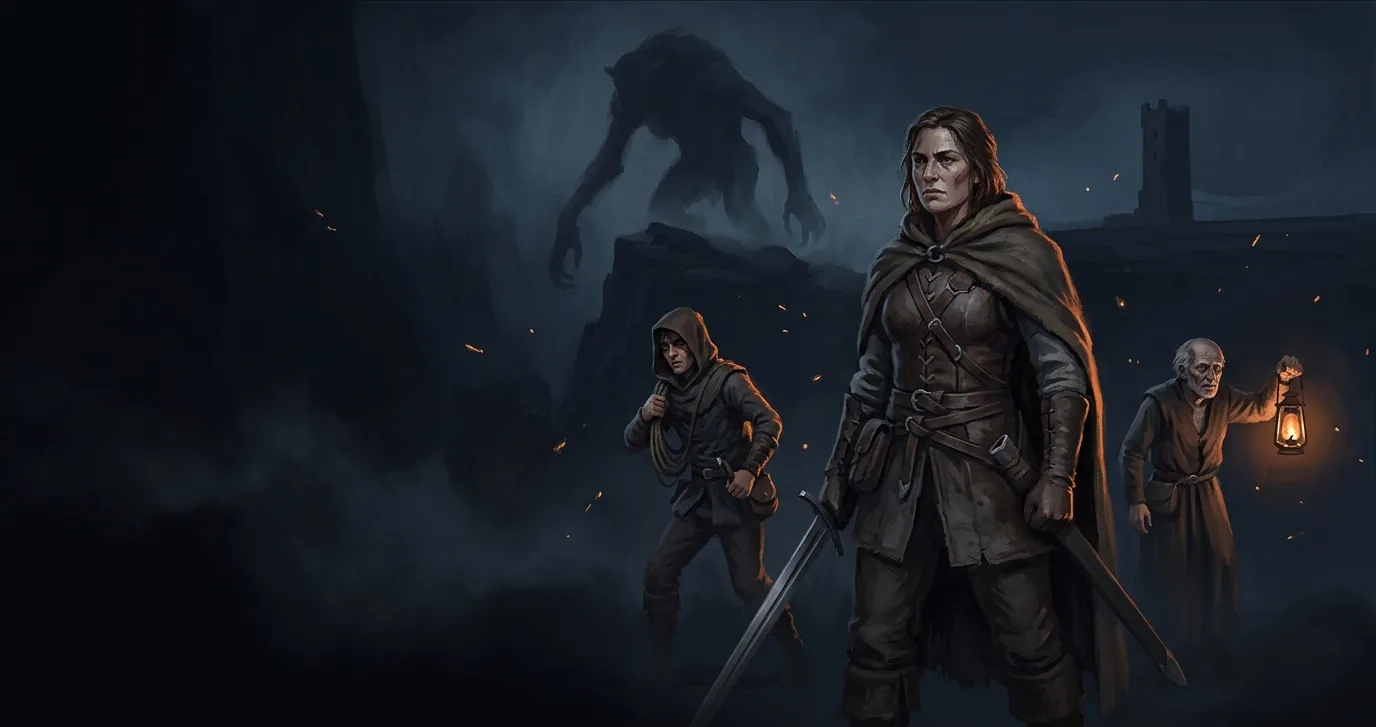
Yes. There's no menu to learn and no rulebook to read first. You type what you'd actually do, in your own words, and the game explains what's possible as you go. The Beast Above Aldwyn was built specifically as the place to start.
No. Your character's numbers are generated for you and applied automatically. Knowing what a "DC" is helps nothing you can't already do by just saying what you're trying.
No, and that's the point. You play alone, whenever you have twenty minutes or two hours, with no one else's schedule involved.
Because a chatbot can decide you hit, decide you find the sword, decide the villain lets you go, all in the same breath it uses to sound dramatic. Then it forgets all about it five turns later when it thinks about something else, ruining the immersion. Here, every roll, price and outcome is settled by the game's rules before the narrator writes a sentence about it. The narrator can describe your death. It can't decide it.
Nothing drifts while you're away. Your campaign is written down, not remembered. Every deed, coin and grudge exactly where you left it the moment you come back.
No. Difficulty is set before you roll, not after, and the dice don't take notes on whether the scene deserved better. But a failed roll isn't a dead end. It's the story turning somewhere you didn't plan. Some of the best sessions come out of the rolls that didn't go your way.
We're entering alpha soon, and the alpha will be free. Sign up to get notified and you'll hear the day it opens.
An email when something real ships. No spam, no gate, no countdown.
One or two emails a month, at most. Unsubscribe any time.